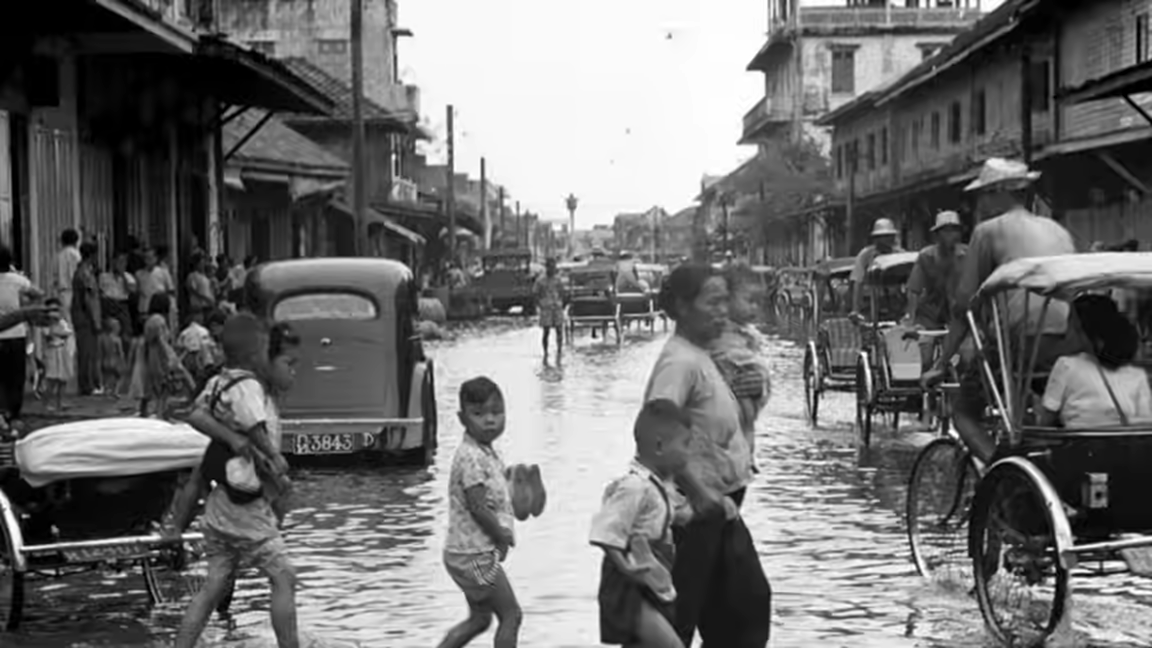
Bangkok authorities declared a flood disaster across all 50 districts after nearly 300 millimetres of rain fell in less than 48 hours, filling canals and sending water through roads, homes and businesses. Governor Chadchart Sittipunt urged residents to remain indoors while municipal crews operated pumping stations and cleared rubbish from drains.
The citywide declaration gives local organisations additional powers to respond. At least 13 roads were flooded, and conditions were worst in eastern areas and communities along canals. Residents in multiple neighbourhoods had to wade through deep water, while people in On Nut filled sandbags to protect homes and shops.
About 980 people were staying in temporary shelters, according to the governor, and authorities transferred 36 bedridden residents to hospitals. Chadchart advised people in exposed areas to move belongings higher. He also sought to calm concern about food access, saying residents should not panic over shortages caused by blocked roads.
By Saturday afternoon, the governor said the situation had stabilised, provided that additional heavy rain did not fall over the same area. He estimated that drainage could take two to three days if the rain stopped. Bangkok was coordinating with nearby provinces to move water outward and reduce the volume flowing into the capital's already full canals.
The rainfall overwhelmed a city built on former marshland about 1.5 metres above sea level. Bangkok's pumping stations were running at full capacity, with a reported combined rate of about 1,200 cubic metres per second. Municipal workers in rain gear focused on keeping roadside waste from obstructing drainage routes, an immediate concern when canal levels leave the network with little spare capacity.
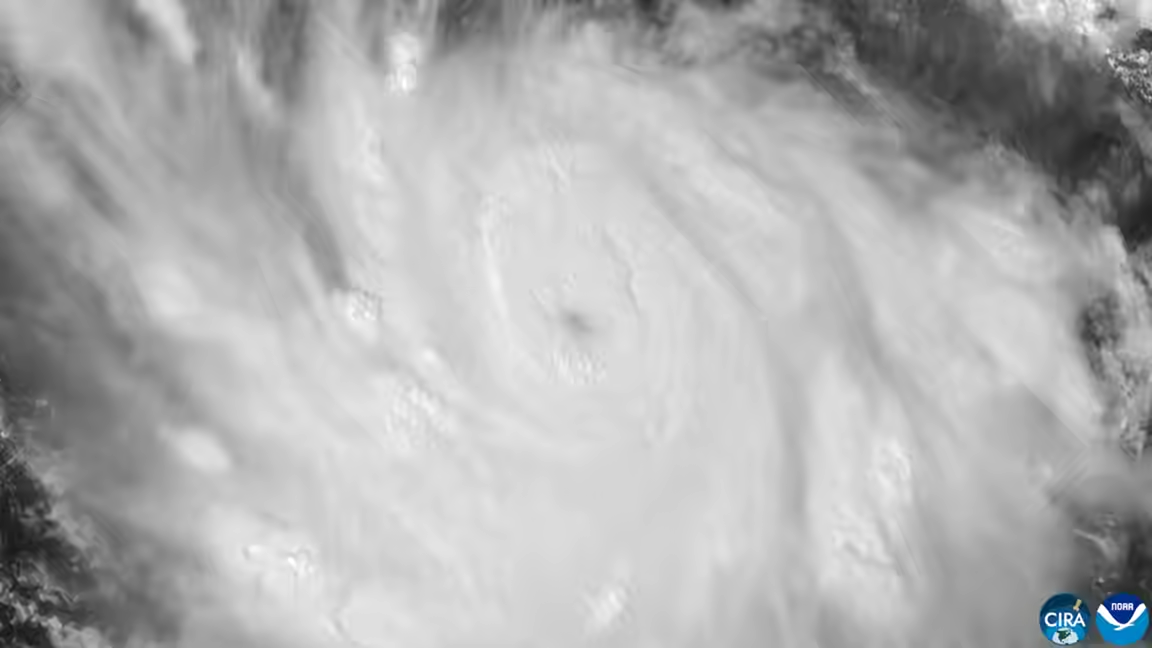
September is normally the height of Bangkok's rainy season, but this month's total was well above the long-term comparison cited by the city's drainage and sewage department. The capital recorded 487 millimetres from September 1 through September 25, against an average of almost 269 millimetres for the same dates between 1991 and 2020. Almost continuous rainfall since Thursday afternoon then pushed water into surrounding streets and buildings.
Prime Minister Anutin Charnvirakul said he would cut short a visit to London and return to Thailand. The national disaster agency also warned that low pressure would affect eastern, northeastern and central parts of the country through Sunday.
The disaster order reflects the geographic breadth of the emergency even though the depth of flooding varies across Bangkok. With canals full, the immediate outcome depends on whether rainfall eases long enough for pumps and downstream drainage to lower water levels. Authorities' short-term priorities are shelter, hospital access and keeping drainage infrastructure clear while residents wait for streets and ground-floor properties to emerge.