Deadly explosion in Tolima
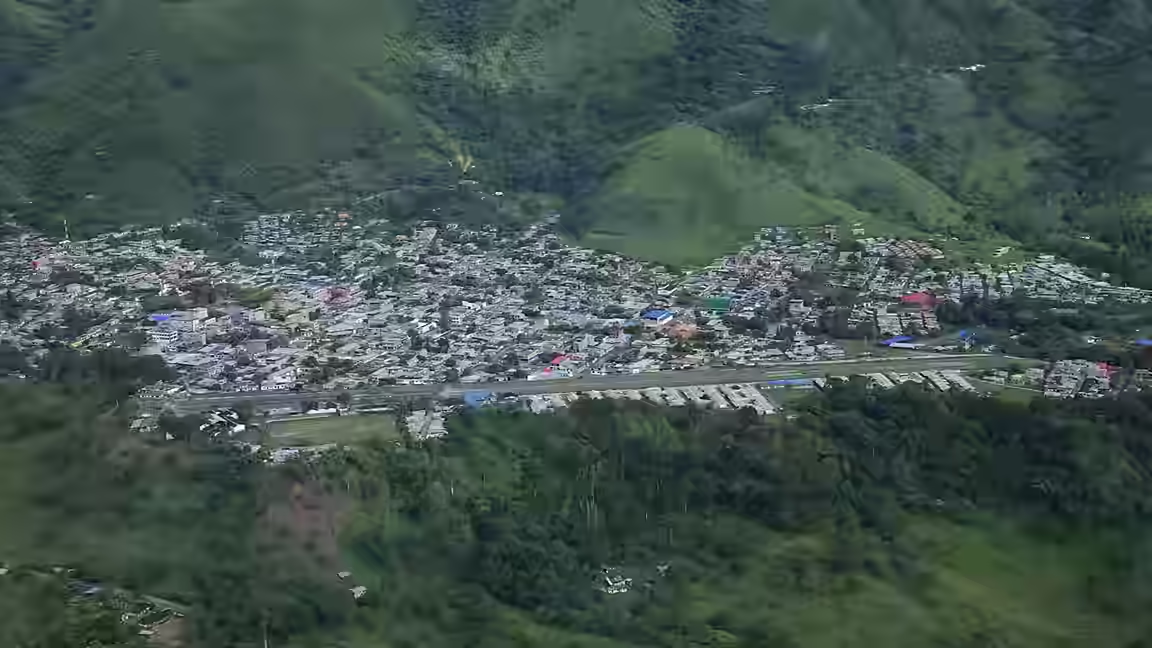
At least four people, including a two-month-old girl, were killed when a lorry loaded with explosives detonated near a military base in Planadas, in Colombia’s western Tolima province. The blast also damaged a nearby hospital and several other buildings, according to regional officials.
Tolima governor Adriana Magali Matiz confirmed the infant’s death in a social-media statement and condemned the bombing as a criminal attack that endangered civilians, soldiers and local families. The available report did not give a definitive number of injured people or identify who carried out the attack.
The bombing appears to have targeted the military installation, but responsibility remained unclear. That uncertainty is important in a country where multiple illegal armed organisations operate and where attacks on security forces have intensified. Officials have described recent violence as a response to expanded government operations against armed groups, but no evidence supplied for this incident establishes the attacker’s identity.
President Abelardo de la Espriella said the government would continue its security campaign and pursue those responsible. The right-wing former defence lawyer took office in August after campaigning on a hard-line approach to crime. His administration ended peace talks with some illegal armed groups and expanded strikes against their camps, reversing the emphasis placed on negotiations by predecessor Gustavo Petro.
Petro had promoted a “total peace” strategy intended to bring Colombia’s armed organisations into talks. His government later suspended some negotiations after repeated breaches of their conditions. De la Espriella has moved further toward military action and has denied armed criminal groups political status or leniency.
The Planadas explosion followed other attacks on security personnel, including an October 23 incident in Cauca province in which a marine infantry member was killed and four others were injured aboard a navy boat. Armed groups have used vehicles and, in some cases, drones to carry explosives, complicating efforts to protect bases and patrols.
Beyond its military target, the Tolima bombing demonstrates the immediate danger to communities located near security facilities. Damage to a hospital adds pressure on local emergency services at the moment they are needed to treat casualties. The death of an infant also underscores that civilians are bearing the consequences of the confrontation.
Investigators must now determine how the explosive vehicle reached the area and which organisation planned the attack. Until authorities provide evidence, attribution remains unresolved. The government has nevertheless presented the bombing as justification for continuing its offensive, while local leaders have focused on the victims and protection of residents in Planadas.