A planned campaign built around personal data
A secretive activist organization calling itself the Capytistas says it plans to publish dossiers that connect billionaires and senior corporate figures with residential addresses, beginning with people tied to Elon Musk and Tesla. The group described the planned releases to WIRED, which reviewed a copy of one dossier and interviewed two members anonymously.
The members characterized the project as a campaign against concentrated wealth and political influence. They said researchers had spent about a year assembling records on wealthy individuals and their associates, drawing primarily from property records, court documents, securities filings, and corporate structures used to hold real estate. The activists openly described the tactic as doxing. NeoTechNews is not reproducing any personal address or information that could facilitate harassment.
According to WIRED, the group claimed it intended to release more than 150 residential addresses and thousands of records concerning people whose combined wealth it estimated at roughly $1.4 trillion. Those figures are the group's own claims and have not been independently established. The organization also claimed more than $1.2 million in financial backing and described a compartmentalized international membership whose participants often do not know one another's identities.
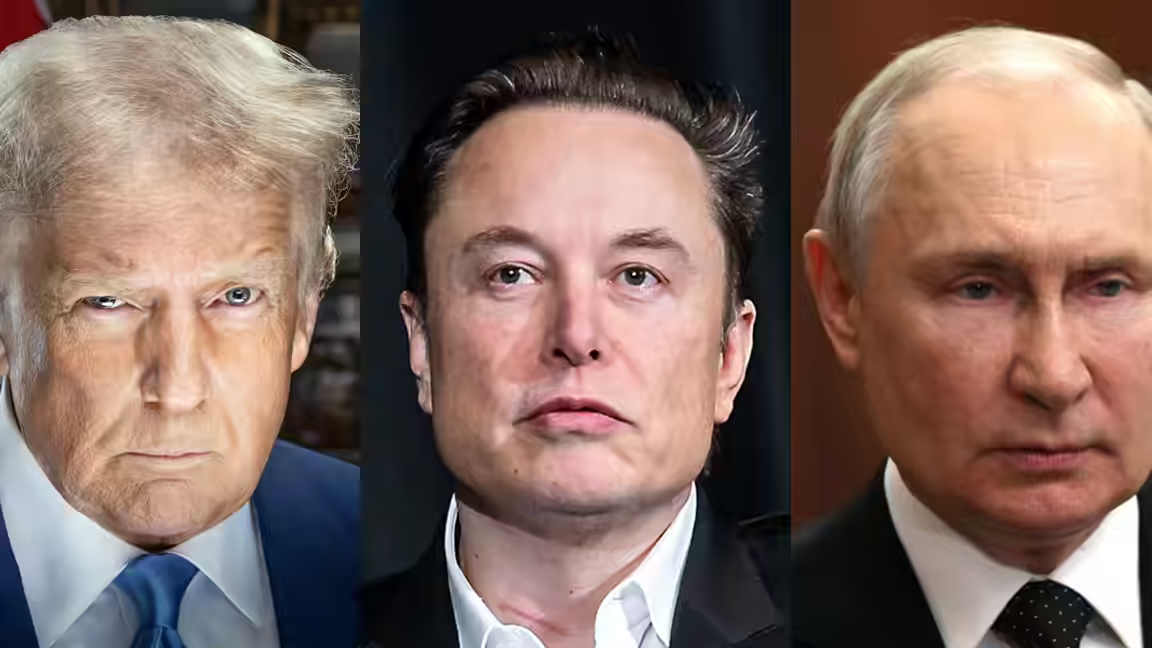
The first planned dossier focuses on Musk, his brother Kimbal Musk, members of Tesla's board, senior executives, investors, and suppliers. WIRED reported that the copy it reviewed contained 32 residential addresses associated with Musk and executives. Corporate investors and suppliers were listed by business locations rather than home addresses. Tesla's press office and investor-relations team did not respond to WIRED's requests for comment.
The campaign arrives in an environment where personal-data exposure has become a recurring political weapon. Activists, anonymous websites, and state institutions have all faced criticism over efforts to identify opponents or publish information that can place individuals at risk. The Capytistas framed their plan as a response to the data collection and political power of wealthy business leaders, but that rationale does not eliminate the safety consequences of distributing residential details.
WIRED reported that law-enforcement records documented attacks on Tesla vehicles and dealerships across at least nine states during 2025, alongside a much larger wave of peaceful demonstrations and boycotts. That history makes any effort to map private homes especially sensitive. The source did not establish a direct link between the Capytistas and previous attacks, and the group members presented their work as research and publication.
The planned releases have not yet demonstrated the accuracy of the group's broader allegations or data set. Claims about funding, membership, and future publications therefore remain attributed to the organization. What has been verified by the reporting is narrower: WIRED interviewed participants, examined a Musk-focused dossier, and confirmed that the group is deliberately preparing a doxing campaign. Any subsequent publication will pose a test for platforms, authorities, and news organizations seeking to report on political influence without amplifying personal information that could enable harm.