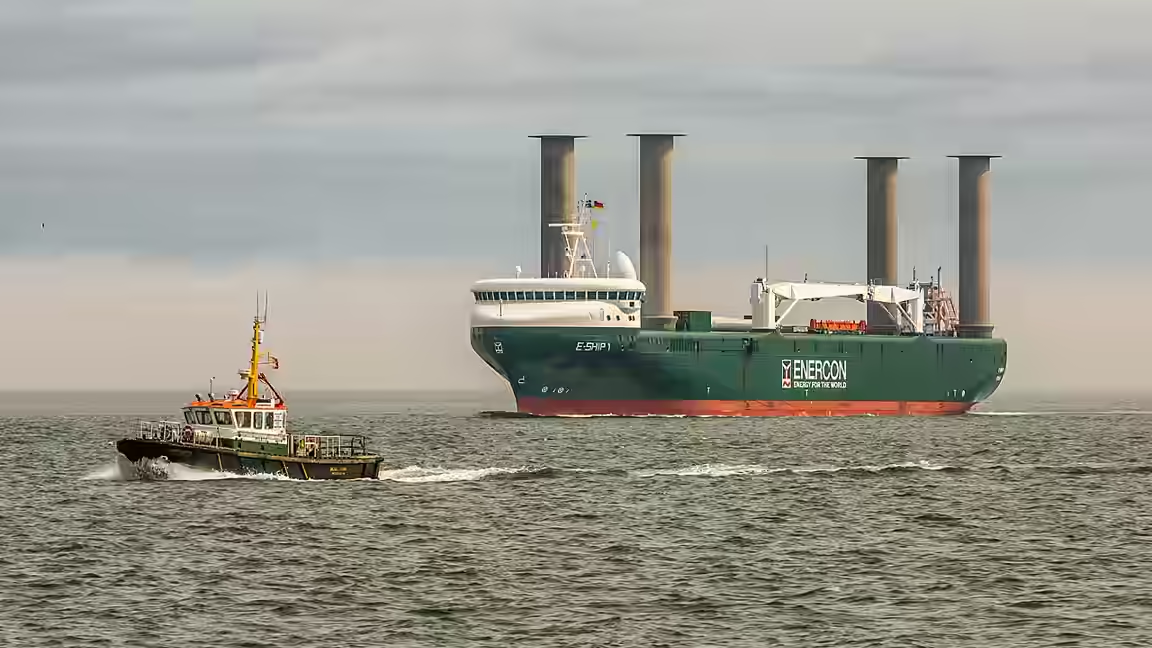
Modern wind propulsion is expanding beyond small trials as shipowners place automated sails on container ships, tankers and some of the world's largest bulk carriers. The systems are intended to supplement engines rather than replace them, allowing vessels to reduce engine load when routes and weather provide usable wind.
The International Windship Association says more than 100 large merchant vessels, representing over 5 million deadweight tons of capacity, now use modern wind systems. That remains a small part of the global fleet, but several projects planned or operating in 2026 show the technology moving onto larger ships and a broader range of trades.
Maersk plans to install a 35-metre rotor sail on an 8,700-TEU container ship and begin tests on regular Atlantic services in 2027. Rotor sails are vertical cylinders that spin in moving air. The resulting aerodynamic lift, known as the Magnus effect, generates thrust and lowers the work required from the conventional propulsion system.
Vale's 400,000-deadweight-tonne ore carrier Sohar Max already carries five rotor sails of the same height. The installation was projected to reduce fuel consumption by as much as 6 percent. Two very large crude carriers under construction for Idemitsu Tanker are also scheduled to receive Norsepower rotor sails when they enter service in 2028.
Developers are examining other ship classes. Korean Register, HD Hyundai Heavy Industries, BAR Technologies and the Liberian Registry have announced a study of a 174,000-cubic-metre LNG carrier fitted with rigid WindWings. The proposed layout moves the accommodation block forward to create deck space, while the study will assess technical, regulatory and safety questions.
Wind systems take several forms. In addition to spinning rotors and rigid wings, suction sails use powered airflow to increase lift. Controls can adjust equipment automatically for wind direction, vessel heading and speed. Weather-routing software can help a ship find favorable conditions without making unacceptable schedule changes.
The case for the technology rests partly on retrofitting: owners can add some systems to ships already operating while alternative low-carbon fuels remain costly or scarce. Expected savings vary greatly by route, ship design and weather. Retrofit estimates generally range from single-digit percentages to the low double digits, while vessels designed around wind can potentially achieve more.
Important constraints remain. Sails occupy deck area, must withstand corrosion and heavy weather, and can interfere with bridges, cranes or cargo work. Some routes also offer much better wind resources than others. The International Maritime Organization is developing interim safety guidance for wind and wind-assisted propulsion. The growing body of commercial sea time should give regulators, shipyards and owners more evidence about where the systems deliver dependable benefits.